

Laughter is medicine. So is co-regulation. We Teach you to do both.
Where neuroscience meets nonsense, and play becomes a pathway to healing.
At the Therapeutic Improv Institute, we're reimagining how people learn, connect, grow, and heal.
Through the transformative power of improvisational theater, psychology, somatic practices, and experiential learning, we create opportunities to move beyond familiar patterns, reconnect with our bodies, and discover new ways of being human.
Whether you're a therapist, healthcare provider, educator, caregiver, artist, or simply someone longing for more joy, creativity, and connection—there's a place for you here. No acting experience required. No pressure to be funny. Just come as you are.
We Believe That Play is Not a Luxury—It's a Lifeline.
Somewhere along the way, we learned that healing had to be serious. That growth had to be hard. That being an adult meant leaving our playfulness behind. We believe there's another way.
Rooted in neuroscience, trauma-informed care, and the power of human connection, our approach blends clinical rigor with creative rebellion.
We use improv because it's not just fun. It's experiential, relational, embodied, and full of possibilities for practicing new ways of being. We're not here to teach people how to perform. We're here to help people become more fully human.
Our Method Draws on Pioneering Research In:
⬤
Psychology + Experiential Learning
Play and improvisation create opportunities to develop emotional flexibility, creativity, resilience, perspective-taking, and relational awareness through active, experiential learning.
⬤
Neuroscience + Polyvagal-Informed Practices
Our approach integrates neuroscience, interpersonal neurobiology, and polyvagal-informed practices to explore nervous system regulation, co-regulation, psychological safety, and the role of social connection in emotional well-being.
⬤
Psychophysiology + Mind-Body Connection
Laughter, movement, and positive social interaction engage physiological processes associated with stress, emotion, and well-being.
⬤
Client + Patient Outcomes
Experiential learning can help professionals practice presence, empathy, attunement, and flexible responses that inform person-centered care.
⬤
Provider Wellness
The people holding space for others need spaces to reconnect with themselves, restore their energy, and experience joy, too.
Different Pathways. Shared Humanity.
There's no one right way to be human, and no one right way to begin.
Our courses are organized into four pathways, each offering a different entry point into personal growth, connection, and experiential learning.

Self
Come home to yourself.
Experiential courses exploring personal growth, creativity, self-awareness, and the freedom to become more fully yourself.

Relationships
Connection is something we practice.
Courses designed to strengthen communication, empathy, attachment awareness, vulnerability, and belonging.
Community / Systems
Because healing doesn't happen in isolation.
Experiential learning designed to strengthen belonging, collaboration, collective care, and the courage to imagine something different.

Professional
Better tools. More humanity. Less burnout.
Experiential development for therapists, healthcare professionals, educators, social service providers, coaches, caregivers, and leaders. Select professional courses offer CEUs.

Our Method Draws on Pioneering Research In:
4 Pathways
Self, Relationships, Community, and Professional Development.
12+ Course Concepts
Experiential offerings spanning play, embodiment, relationships, and professional learning.
Multiple Disciplines
Psychology, neuroscience, somatics, and improvisational theater.
One Shared Mission
Making learning and healing more human through play.
Yes, and…
Courses aren't the only way to play with us.
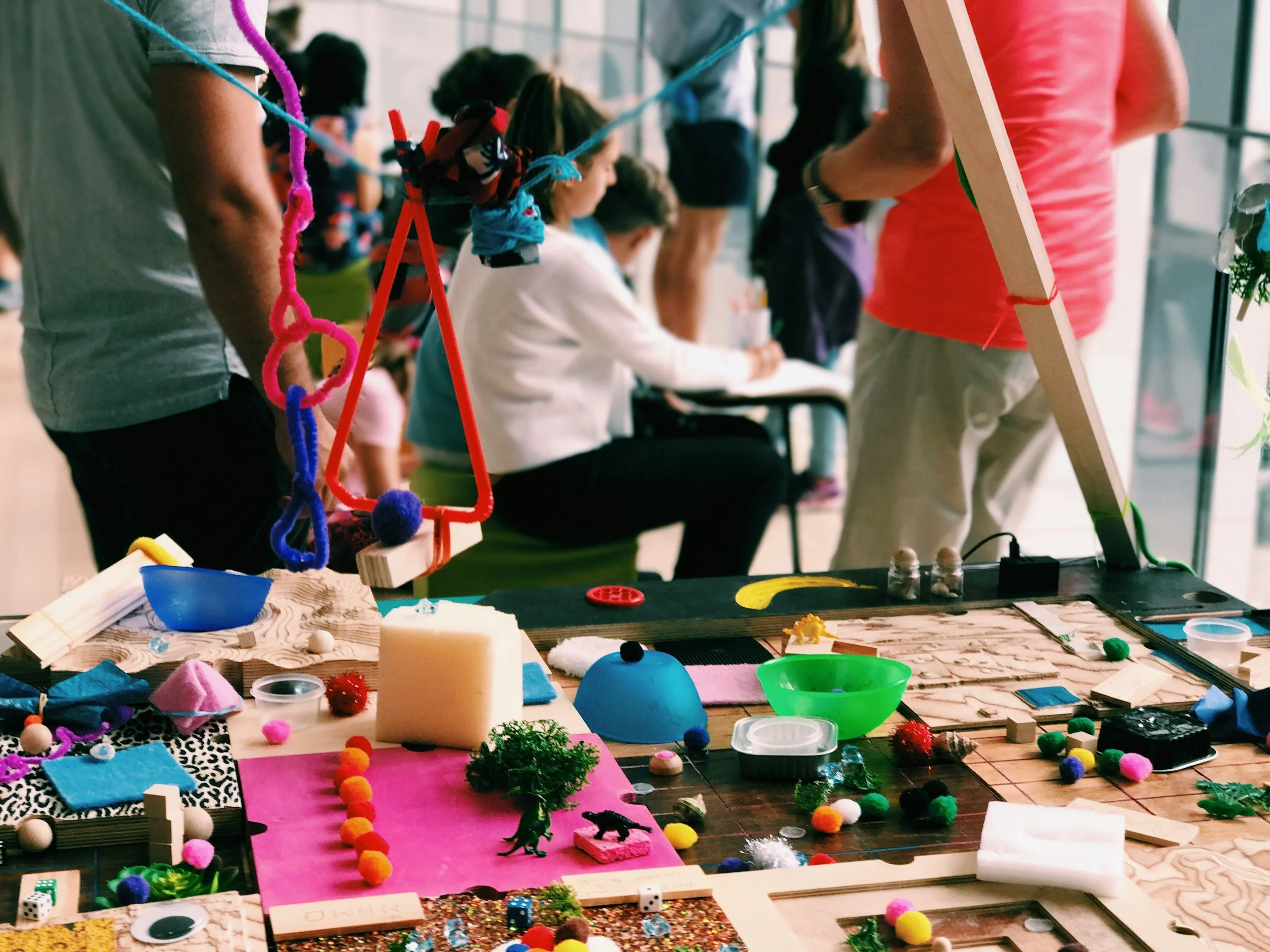
Custom Workshops
We design customized experiential workshops for organizations, teams, communities, and groups seeking more creativity, connection, collaboration, and resilience.
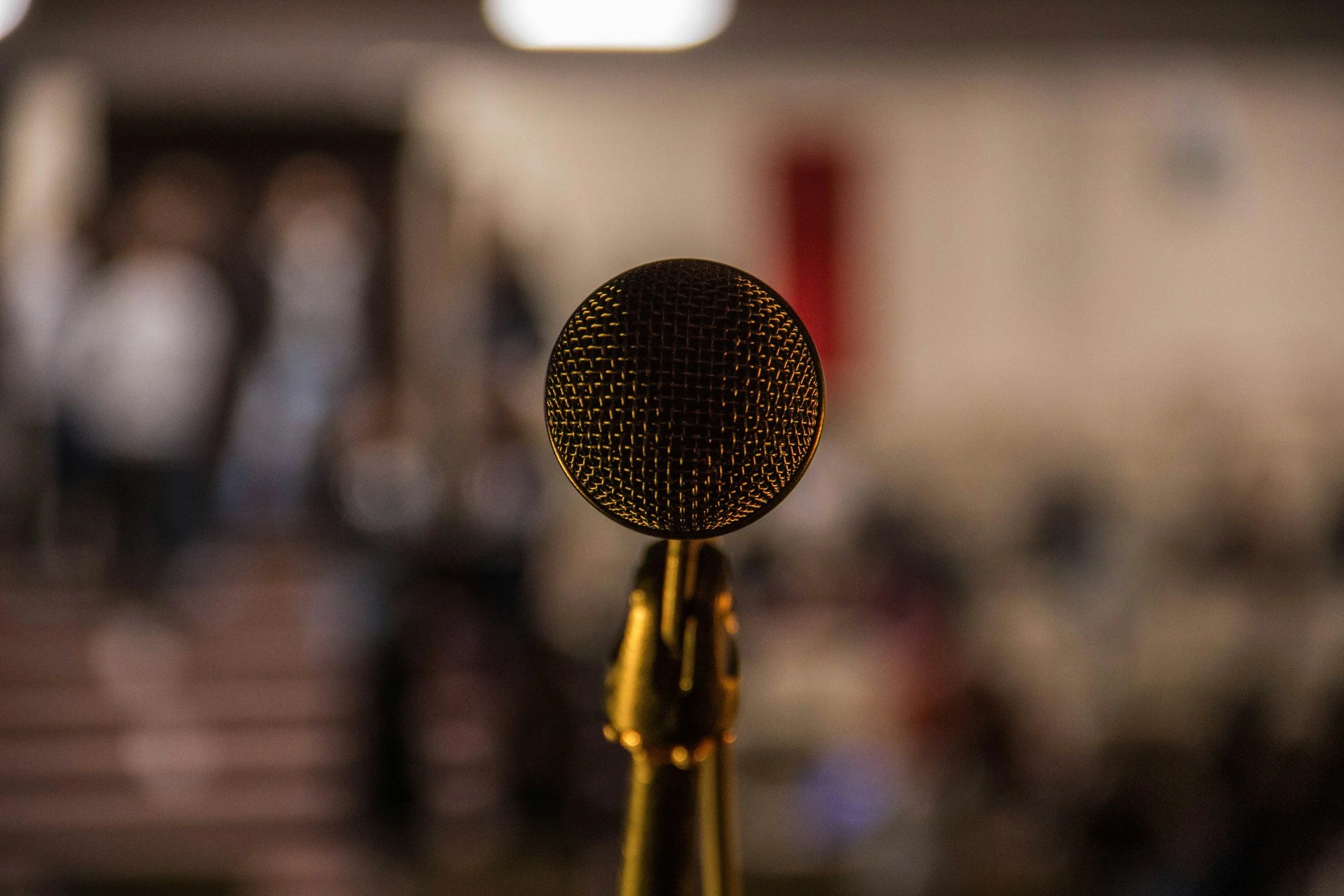
Speaking Events + Keynotes
We bring psychology, neuroscience, storytelling, and humor to the stage through experiences that invite people to think, feel, laugh, and connect differently.
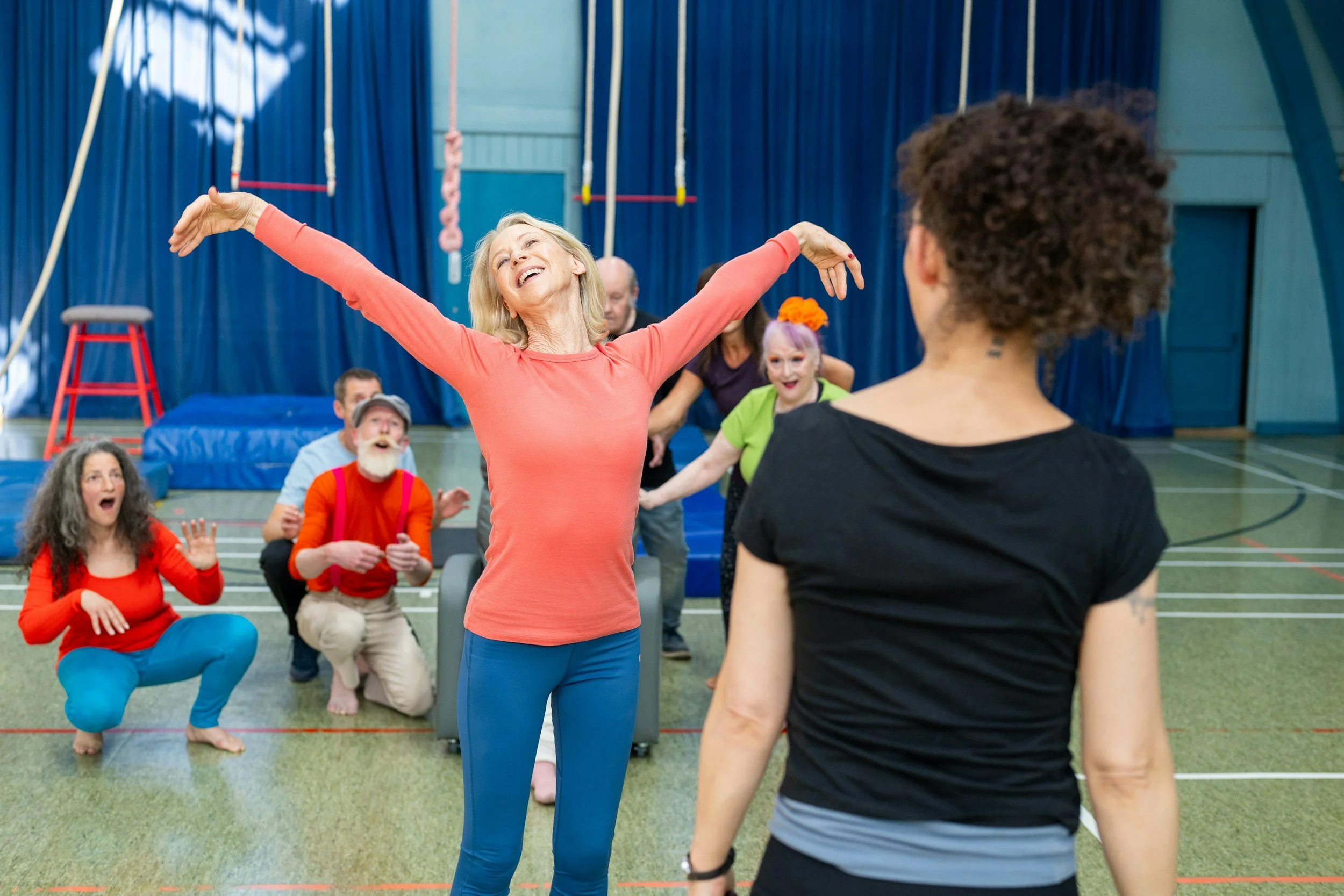
Intensives + Retreats
Immersive experiences combining somatic practices, improvisational play, reflection, and connection to explore meaningful personal and collective growth.
WHAT THEY SAID
The Work Speaks Through the People Who Experience It.
Sometimes the biggest shifts happen when we stop trying to change and give ourselves permission to be human.

A whole new way to heal.
Less performing. More presence. More play. More possibility.
Healing doesn't have to happen only through words. Sometimes it begins with movement. With laughter. With connection. With the courage to try something new.